

How do I plan a California reunion?
Pick one region (San Diego, Tahoe, or Palm Springs) and establish a “Hub House.” Book 15-passenger vans 6–9 months out, and target shoulder seasons for 40% lower rates.
California is the most geographically diverse state in the country—and its biggest planning trap. A reunion in San Diego looks nothing like one in Lake Tahoe. The key is choosing a single region and building your logistics around its specific strengths.
01 / LOGISTICS
How Do You Handle Logistics for a California Reunion?
California reunion logistics require choosing one region as your base since the state spans over six hours of driving. Charter a private shuttle for groups of twenty or more to avoid parking costs and traffic, and follow the One Region Rule to keep your group together.
The "One Region" Rule: California is not one destination. A 6-hour drive from San Diego to Lake Tahoe will fracture your group. Base your group in one hub: South San Diego or Lake Tahoe North Shore.
Transportation: California's traffic is a non-negotiable factor. For groups of 20+, chartering a private shuttle ($700–$1,000/day) is more effective than renting 4 SUVs and fighting for $40/day parking.
Pro Tip: The 12-Month Van Rule
High-capacity Sprinter vans in California resort towns book out 9–12 months in advance for holiday weeks. Secure your transport before your flights.
02 / LODGING
Where Should a Large Group Stay in California?
Large groups should use the Hub and Spoke strategy, anchoring in two to three adjacent vacation rentals rather than expensive hotel blocks. San Diego's Mission Beach, Lake Tahoe's North Shore, and Palm Springs compound-style rentals all offer group discounts of fifteen to twenty percent.
The “Hub & Spoke” Strategy is essential in California because hotel room blocks for 20+ guests are expensive ($250–$400/night in coastal areas) and rarely adjacent. Instead, anchor your group in 2–3 large vacation rentals within walking distance of each other.
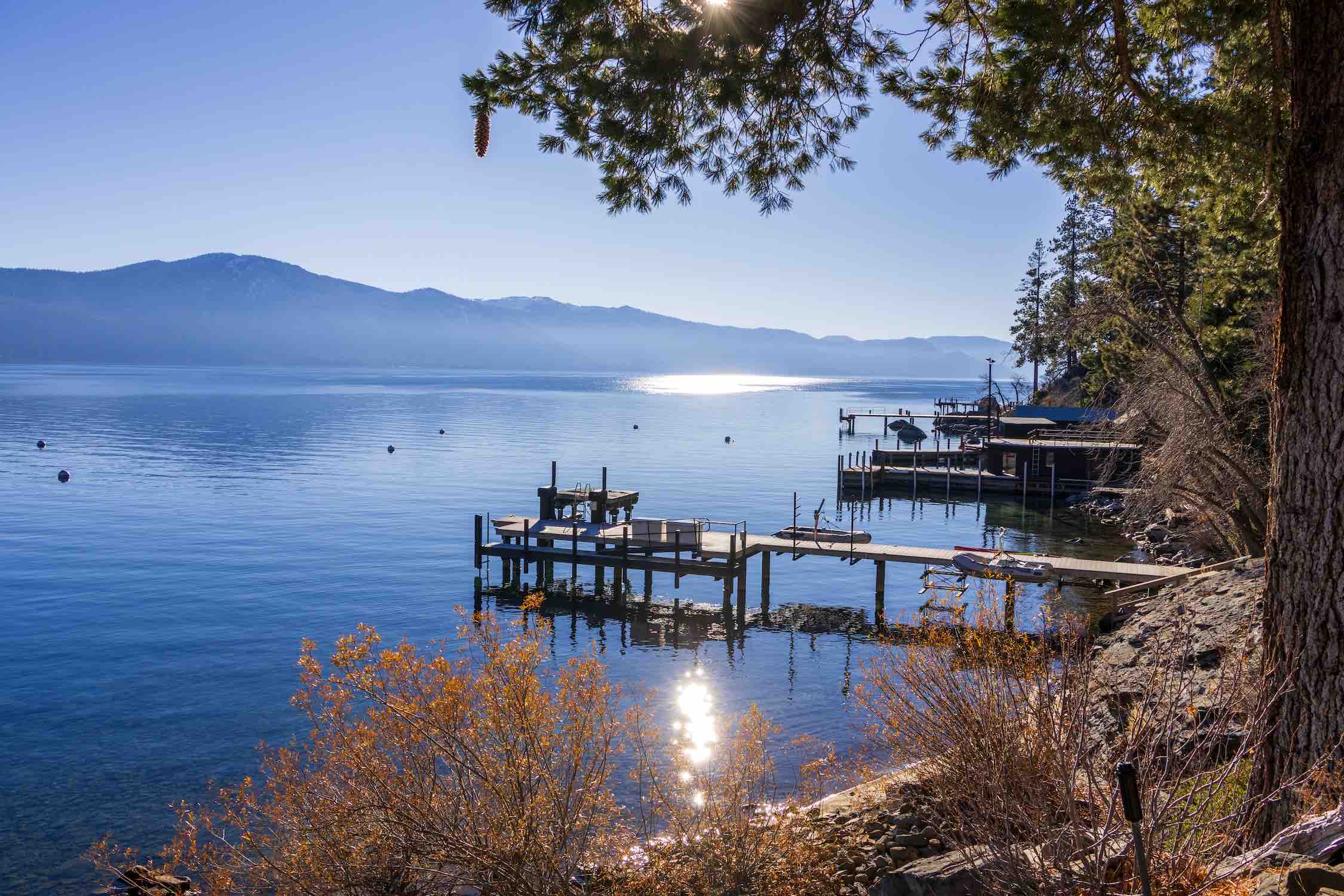
San Diego Hub: Mission Beach and Pacific Beach have clusters of 5–7 bedroom rentals on the same block. Book the “hub house” (largest property) for communal meals and overflow, with satellite rentals for sleeping.
Tahoe Hub: North Shore (Tahoe Vista, Kings Beach) offers lakefront homes sleeping 12–16 with private beach access. Book 2–3 adjacent properties through a single property manager for group discounts of 15–20%.
Palm Springs Hub: Look for “compound-style” rentals—properties with casitas, a shared pool, and outdoor kitchen. These are purpose-built for groups of 20–30 and often include on-site catering partnerships.
Planning Insight
The San Diego Mission Bay Hub
For groups of 20+, Mission Bay offers the best combination of large rentals, flat terrain for seniors, and proximity to SeaWorld, the Zoo, and Gaslamp Quarter dining.
Insight Saved. You can easily change this later in your dashboard.
03 / ACCESSIBILITY
What Is the Split & Reunite Strategy?
The Split and Reunite strategy divides your California group by mobility level for daytime activities, sending surfers to La Jolla while seniors enjoy the ADA-accessible Mission Bay boardwalk or San Diego Zoo tram, then reuniting everyone for shared evening meals at your hub house.
California’s terrain varies dramatically. The “Split & Reunite” strategy is essential: split your group by mobility level for daytime activities, then reunite for shared meals.
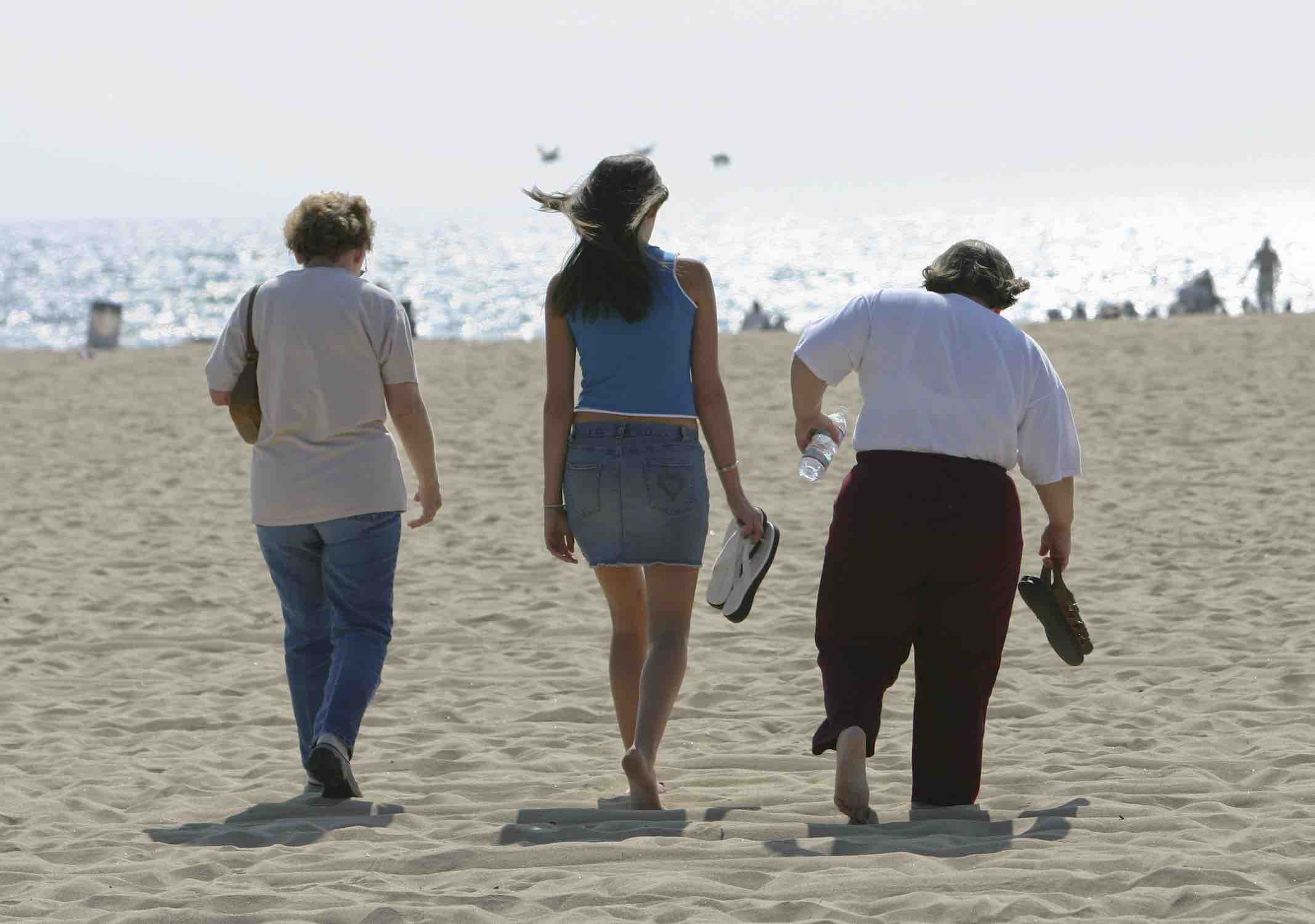
San Diego Split: While adventurers surf at La Jolla, seniors enjoy the flat, fully ADA-accessible Mission Bay boardwalk or the wheelchair-friendly San Diego Zoo tram system.
Planning Insight
The Mission Bay Boardwalk
For multi-generational groups, Mission Bay’s boardwalk is the best accessible outdoor space—flat, shaded, and adjacent to restaurants.
Insight Saved. You can easily change this later in your dashboard.
04 / TIMING
When Is the Best Time to Visit California?
September through October is the ideal window for California reunions, delivering warm summer weather without the summer crowds and hotel rates twenty to thirty-five percent lower than peak season. Avoid the coastal May Gray and June Gloom marine layer for guaranteed clear sunshine throughout your stay.
September–October is the California sweet spot. You get "Summer Weather" without the summer crowds, and hotel rates drop 20–35%.
Avoid the "May Gray" and "June Gloom" on the coast. Tahoe reunions should aim for late July for full trail access or mid-September for fall colors.
Planning Insight
The October Window
October in Southern California offers reliable 75°F weather and significantly lower rental rates for large-party villas.
Insight Saved. You can easily change this later in your dashboard.
05 / DINING
How to Feed 25 People in California?
Feed large groups in California using food halls like Liberty Station where everyone picks their own cuisine, or hire a private chef for forty-five to seventy-five dollars per person, which often costs less than a group restaurant dinner once you add tips and transport.
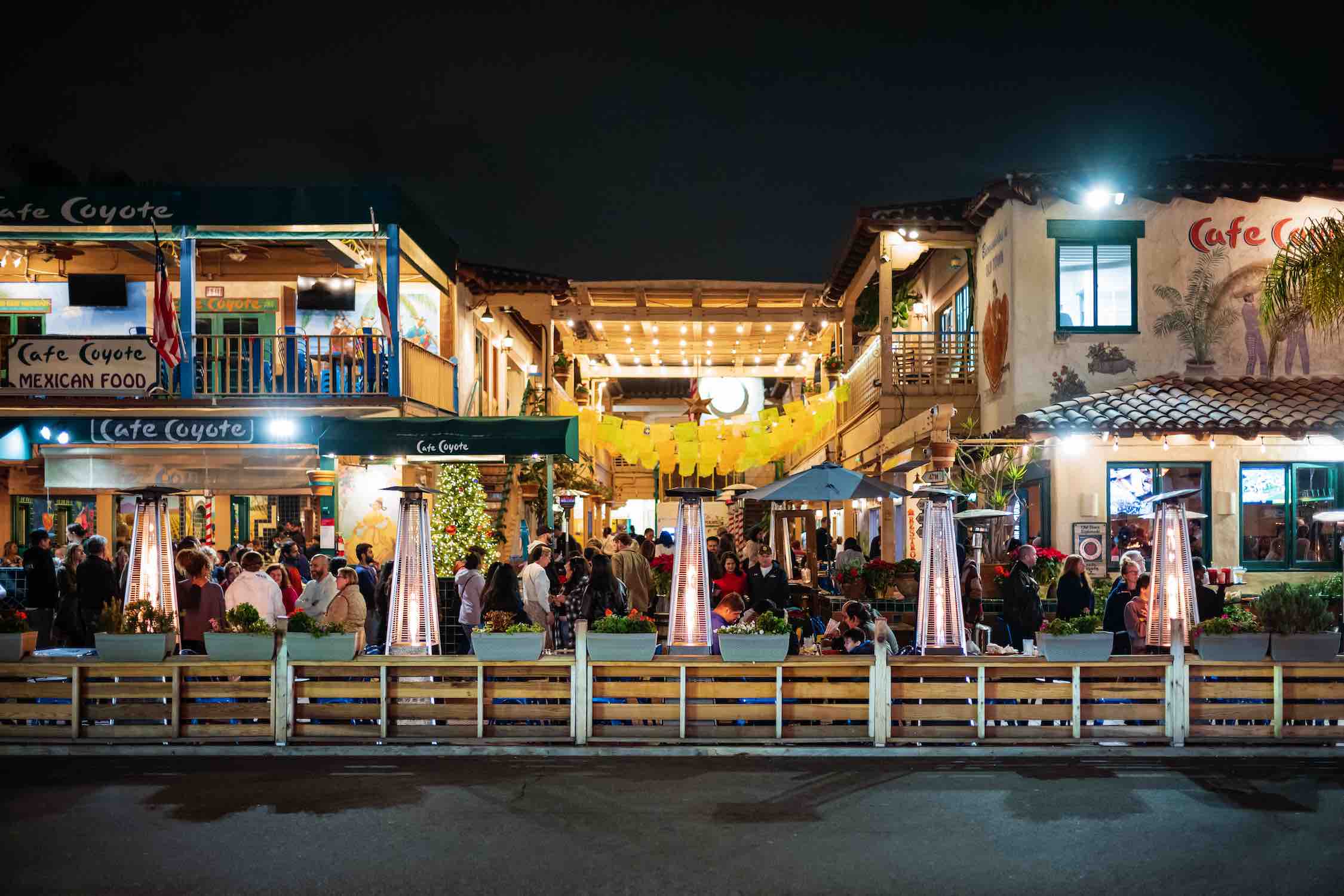
The Food Hall Hack: California has an exceptional food hall ecosystem (Liberty Station, Grand Central). This solves the “We can never agree” problem for large groups.
The Private Chef Play: Hiring a private chef ($45–$75/person) often costs less than a group restaurant dinner once you add tips and transport. It keeps the family in a relaxed environment.
What Does a 3-Day California Reunion Look Like?
A three-day California reunion follows a San Diego coastal route combining beach activities, world-class zoo visits, Gaslamp Quarter dining, and scenic harbor cruises, all designed for multi-generational groups with mixed mobility levels and connected by chartered shuttle transport between major attractions.
A high-impact San Diego coastal route designed for multi-generational groups.
Planning Insight
The Coastal Route
"This route maximizes beach time and minimizes driving. Ideal for families with young kids and seniors."
Insight Saved. You can easily change this later in your dashboard.
Day 1
Arrival & Coast
- Fly into San Diego International (SAN)—only 10 minutes from Mission Bay rentals. Deploy your pre-booked Sprinter van at the airport.
- Check into your Mission Bay hub house and satellite rentals. Allow 2 hours for everyone to settle.
- Afternoon walk on the Mission Bay boardwalk (flat, ADA accessible, shaded rest areas every 0.25 miles).
- Evening: Welcome taco bar at the hub house. Order from a local catering company (feeds 25 for ~$400) instead of fighting for a restaurant reservation.
Day 2
Split & Reunite
- Adventurers: Surf lessons at La Jolla Shores (group rate: $65/person for 8+) or kayak the La Jolla sea caves.
- Seniors/Kids: San Diego Zoo via the guided bus tour (fully wheelchair accessible, 35-minute narrated loop) or Birch Aquarium tide pools.
- Midday: Reunite at Liberty Station food hall—20+ vendors under one roof means everyone picks their own meal. Seats 200+, no reservation needed.
- Evening: Sunset bonfire at Mission Beach (fire rings are free, first-come; arrive by 4 PM in summer to claim one for your group).
Day 3
Legacy & Farewell
- Morning group photo at Coronado Beach (wide, flat sand perfect for large group shots with the Hotel del Coronado as backdrop).
- Brunch at a Gaslamp Quarter restaurant with private dining room (book 3+ months ahead for groups of 20; try Rustic Root or Searsucker).
- Optional: USS Midway Museum (wheelchair accessible, 2–3 hours, group rate $18/person for 15+).
- Afternoon departures from SAN—10-minute drive from Gaslamp, no freeway needed.
07 / THEMES
What Are Creative Reunion Themes for California?
California reunion themes leverage the state's vibrant food and beach culture, from competitive taco tours with family scorecards and voting ceremonies to Sunset Olympics featuring beach volleyball, paddleboard relays, and sandcastle building competitions that engage all ages and fitness levels throughout your stay.
A unifying theme turns a standard trip into a memorable “event.” Try these concepts:
The California Taco Tour
Each day, a different family branch picks the taco spot. Create scorecards and vote on the final night.
Insight Saved. You can easily change this later in your dashboard.
The Sunset Olympics
Divide into teams for beach volleyball, paddleboard relay, and sandcastle building.
Insight Saved. You can easily change this later in your dashboard.
How Do You Start Your California Reunion Plan?
Start your California reunion plan by selecting your timing, hub location, itinerary route, and theme using the interactive planning tools above, then launch a free reunion website with built-in RSVP management, payment collection, and photo sharing for your entire family group.
You've scouted the logistics. Now, turn these insights into your live family reunion website.
Free to start. Includes RSVP, Payments & Photo Sharing.
Want more? This guide focuses on the “how” of planning. For a detailed breakdown of specific regions, explore our companion guide: The Best Places to Go in California.
Frequently Asked Questions
What regions in California work best for large family reunions?
Southern California offers theme parks and beaches for all ages, while Northern California provides wine country and redwood forests. Central Coast destinations like San Luis Obispo balance affordability with diverse activities for multi-generational groups.
How do I manage transportation for a California reunion?
Rent passenger vans or charter a bus for groups over 15. California distances between attractions are often underestimated. Plan no more than two major stops per day and account for traffic in metro areas like Los Angeles and San Francisco.
When is the most affordable time to plan a California reunion?
September through November offers warm weather, smaller crowds, and lower hotel rates compared to peak summer. Avoid major holiday weekends and school break periods when prices surge across the state.

Ken O.
Founder of AmazingReunion and veteran reunion organizer who has coordinated 50+ family gatherings across the US. I built this platform specifically to solve the complex logistics of multi-region states.