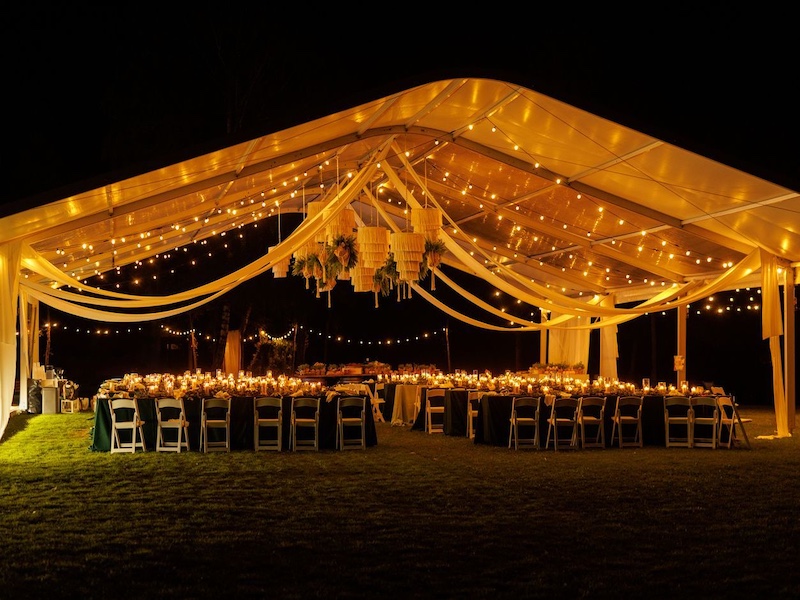
How do you plan a military reunion? Build the roster from the unit or ship association outward. Choose a city tied to the group’s service, and book one hotel with a room block and a hospitality room. Plan three or four days around a tour, a memorial and a banquet, paid for by a per-person registration fee.
A military reunion works more like a small convention than a backyard picnic. Members fly in from across the country to one hotel, and the roster is the hardest part, because no official source hands one out. This guide covers what is different about a unit, ship or squadron reunion. For the general steps, see how to plan a reunion.
01 / THE ROSTER
How Do You Find Unit Members and Shipmates?
Start with the people who already keep lists: the unit or ship association, past reunion committees and the newsletter editor. Then widen out to VFW and American Legion posts, social media groups and word of mouth. The National Archives says it cannot release veterans’ home addresses, so expect to build the roster one person at a time.
The Archives also doesn’t forward letters, though its FAQ says the VA and some branches may forward some messages. Check the current process on va.gov or archives.gov first.
- Your association first. Its membership list is your starting roster.
- Veterans posts. The VFW and the American Legion both have “Find a Post” pages. Ask posts near the old base to post a flyer.
- Social media. Search for groups named after the unit, ship or base.
Our post on how to find classmates covers search methods that work for units too.
Sample first-contact message
Subject: [Unit or Ship Name] reunion, [Month Year], [City]
Hello [Name],
My name is [Your Name]. I was with [Unit or Ship] from [years]. A few of us are organizing a reunion for anyone who served with [Unit or Ship], and for their families, in [City] on [dates].
[Mutual contact] gave me your [email/number]. If I have the wrong person, I apologize, and I won’t contact you again.
If you’d like to hear more, reply or call me at [phone]. I’d also be grateful for the names of anyone from [Unit or Ship] you’re still in touch with.
[Your Name]
[Phone] · [Email]
The message leaves out rank and deployments. Let people share those themselves.
02 / LOCATION
Where Should a Military Reunion Be Held?
Pick a city that means something to the group and is easy to reach: near the base where you served, a ship’s old homeport, or a military museum or memorial. Then check flights, hotel rates and walking distances. A convention and visitors bureau can collect hotel bids for you, often at no charge.
A major military museum gives you a ready-made tour day: the National Museum of the United States Air Force in Dayton, Ohio; The National WWII Museum in New Orleans, Louisiana; the USS Midway Museum in San Diego, California; and the National Museum of the Marine Corps near Quantico, Virginia.
The Military Reunion Network recommends calling the destination’s convention and visitors bureau (CVB) first. It says CVBs can gather hotel proposals and find color guards, but some don’t pursue reunions, so ask. To visit an active base, call its public affairs office early.
03 / HOTEL
How Do Room Blocks and Hospitality Rooms Work?
A room block holds a set number of rooms at a group rate until a cut-off date. A hospitality room is a meeting room the group uses all weekend to sit, talk and display memorabilia. Ask for both in the same hotel proposal, and read the attrition clause carefully before anyone signs the contract.
An attrition clause sets how many rooms you can leave unfilled without paying. For example, with 20% allowed on a 100-room block, the group must fill at least 80 rooms by the cut-off date or pay for the shortfall. Block fewer rooms than you hope to fill, and ask whether the hotel will add rooms at the group rate if the block fills.
The Military Reunion Network calls the hospitality room “the heartbeat of the reunion.” It notes that a hospitality room in hotel meeting space counts as public space, so depending on local law and hotel policy, the hotel may have to supply and serve any alcohol. Settle hours, snacks and drinks while you negotiate, and get every concession in writing.
04 / SCHEDULE
What Does a Military Reunion Schedule Look Like?
A common pattern runs Thursday to Sunday: arrival and registration, a tour day, a final full day with the business meeting, memorial and banquet, then a farewell breakfast. The Military Reunion Network says the banquet is traditionally held on the last night and is more formal than the other meals.
| Day | Daytime | Evening |
|---|---|---|
| Thursday | Arrivals. Registration and name badges. Hospitality room opens. | Informal welcome reception |
| Friday | Bus tour to a museum, memorial or the old base. Back by mid-afternoon to rest. | Dinner on your own. Hospitality room open. |
| Saturday | Business meeting for members, with an outing for guests. Memorial service and roll call. | Banquet with Missing Man Table and group photo |
| Sunday | Farewell breakfast. Announce next reunion’s city if chosen. | Departures |
Keep the formal program to one or two events a day. Our reunion events post has more scheduling ideas.

05 / REMEMBRANCE
How Do You Honor Members Who Have Died?
Hold a short memorial with a roll call of members who have died since the last reunion. Many reunions also present a Missing Man Table at the banquet, according to the Military Reunion Network. Ask a member to read the names, print them in the program, and invite the families to attend.
The Department of Defense describes the table: a single chair, white tablecloth, candle, inverted glass, red rose, and a plate with lemon and salt. Many scripts exist, so choose one and rehearse it.
- Build the list early, and confirm spellings with each family.
- Set up a memory table. The Military Reunion Network suggests asking attendees to bring photos and patches.
- Say what to expect. If the memorial includes a prayer, note it in the program.
“Read every name slowly. For some families, it’s the first time they’ve heard it said by someone who served beside the person they lost.”
Put the Schedule, Hotel and Registration in One Place
Import your roster from Excel and give members one link for RSVPs, payments and hotel rates.
Launch My Reunion Site06 / ACCESSIBILITY
How Do You Plan a Reunion for Older Veterans?
Plan for limited mobility and hearing from the start. The Census Bureau reported that 49% of U.S. veterans were 65 or older in 2021. Choose one hotel for everything, keep walks short, use a microphone at every session, and ask the hotel and bus company about step-free access before you sign.
- Reserve accessible rooms. The ADA National Network says hotels must offer accessible guest rooms with mobility and communication features. Ask how many are in your block.
- Keep events close. Ask for the hospitality room and banquet on the lobby level or near the elevators.
- Ask about lifts. Request a motorcoach with a wheelchair lift, and ask tour sites about step-free access.
- Offer a quiet room where anyone can step away from crowds or ceremonies without explaining.
07 / SPOUSES AND GUESTS
Should Spouses, Widows and Families Come?
Yes, in most cases. Invite spouses, widows and widowers, and grown children or grandchildren who want to come. Some members can only travel with a family member’s help. Plan a guest outing during the business meeting, and keep the meals and banquet open to everyone, so nobody sits alone while members talk.
Don’t assume which person in a couple served, or what anyone did. Ask every registrant the same questions: name, years with the unit and guest names. Welcome families of members who have died by name at the memorial.
08 / COSTS
What Does a Military Reunion Cost?
Attendees usually pay three things: a registration fee for shared costs, their own hotel room and their travel. In our example for 120 people, a registration fee of $120 per person covers the banquet, hospitality room, a bus tour and printing. Each attendee books and pays for their own hotel room.
| Cost item (example quotes) | Amount |
|---|---|
| Saturday banquet (120 × $55) | $6,600 |
| Hospitality room snacks and drinks, 3 days | $3,000 |
| Bus tour for about 100 riders, 2 motorcoaches with lifts | $1,800 |
| Microphone and projector for meeting and banquet | $600 |
| Name badges, programs and printing | $300 |
| Memorial wreath and flowers | $250 |
| Shared costs | $12,550 |
| 10% buffer | $1,255 |
| Amount to collect | $13,805 |
$13,805 ÷ 120 = $115.04, rounded up to $120 per person. That collects $14,400 and leaves $595, which can seed the next reunion’s hotel deposit or a memorial gift. Your quotes will differ. For the method in detail, see how to set reunion dues.
On AmazingReunion, you set prices by age group, and attendees can pay in full or in parts. Card processing and a $2.50 handling fee are added on top, once per balance: a couple owing $240 pays $250.31, and the reunion receives $240. AmazingReunion doesn’t search for members. You import your roster from Excel and keep everyone informed with announcements and chat. See how to collect reunion fees online for the setup.
Bring the Unit Back Together
A reunion website with the schedule, hotel rates, RSVPs, payments and group chat.
Launch My Reunion SiteFree to start. Includes RSVP, Payments & Photo Sharing.
Frequently Asked Questions
How far ahead should you plan a military reunion?
Start about a year ahead. Event Temple, a hotel software company, suggests contacting hotels 8 to 12 months before an event. Send a save-the-date once the hotel contract is signed.
How do I find people I served with?
Start with your unit or ship association and past attendees, then ask VFW and American Legion posts and social media groups. The National Archives says it cannot release veterans’ home addresses.
What is a hospitality room at a military reunion?
A meeting room the group uses all weekend to talk, look at photos and display memorabilia. Ask for it in your hotel proposal and agree on hours and alcohol rules before you sign.
How much does it cost to attend a military reunion?
Attendees pay a registration fee, their own hotel room and travel. In our example for 120 people, a $120 fee covers the banquet, hospitality room, a bus tour and printing.
Sources
- National Archives: Locating Veterans and Service Members
- National Archives: Veterans’ Service Records FAQ
- U.S. Census Bureau: New Report on Aging Veterans
- Military Reunion Network: The Military Reunion Banquet
- Military Reunion Network: Hospitality Space and Alcohol
- Military Reunion Network: Getting Ready for the Reunion This Fall
- Military Reunion Network: Why Reunion Planners Should Contact the CVB First
- U.S. Department of Defense: The POW/MIA or Missing Man Table
- Cvent: Developing a Hotel Room Block Strategy
- Event Temple: The Ultimate Hotel Room Block Checklist
- ADA National Network: Accessible Lodging
- VFW: Find a Post and The American Legion: Find a Post
Sources checked October 30, 2026.
Still choosing a city? Our state guides list lodging and dining costs. Start at the Reunion Planning Guides hub, or see the planning timeline and our church reunion guide.

Ken O.
Founder of AmazingReunion and experienced reunion organizer who has coordinated 50+ family gatherings across the US.